Alvar Aalto's Toppila Sulphite Pulp Mill
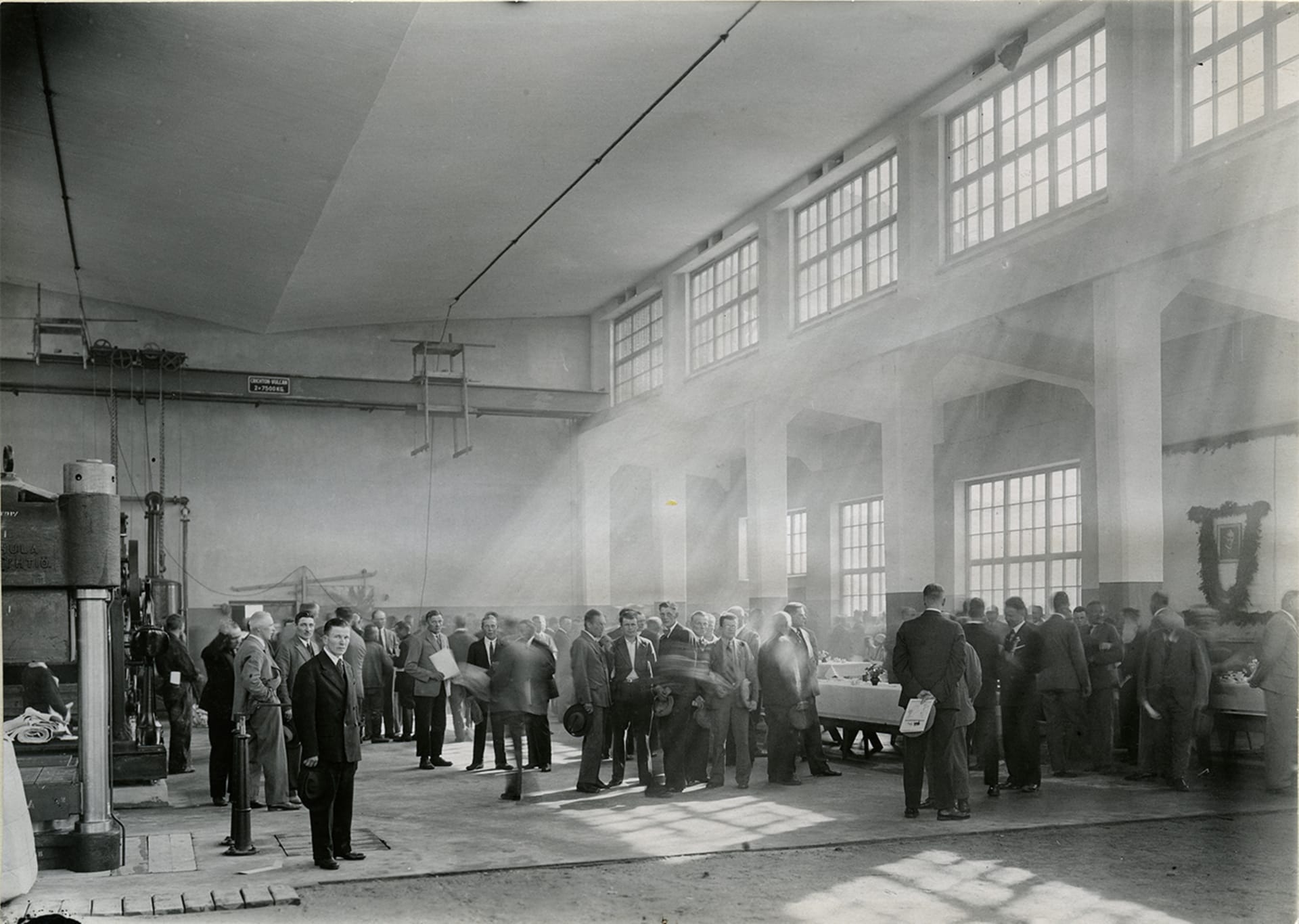
Designing the architectural identity of the Toppila mill was the first industrial commission for the young Alvar Aalto, recently inspired by modernism and functionalism. The assignment included the architectural form of several buildings, their colour schemes and lighting conditions, as well as necessary details such as doors, windows, railings and staircases.
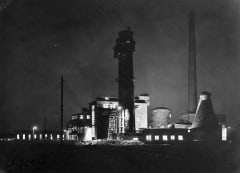
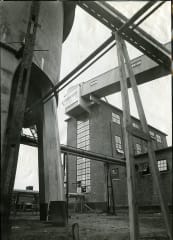
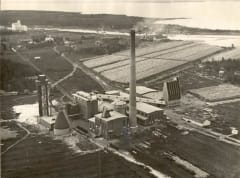
The factory complex rose in the middle of open fields, consisting of brick and concrete buildings connected by conveyors, punctuated by towers and chimneys. The shaping and structural solutions of the concrete buildings were particularly bold and innovative.
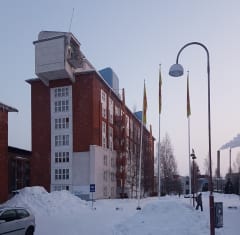
The mill ceased operations in 1985. The area, transferred to city ownership, began to be redeveloped into a residential district, acknowledging Aalto’s and the site’s industrial heritage.
Today, the area known as Meri-Toppila retains several buildings from the 1930s designed by Aalto. Former factory structures have been renovated and repurposed. The long-abandoned chip silo is currently under restoration and development. Street alignments and block colour schemes echo the character of the former industrial site.
Intangible heritage has been honoured by naming streets, squares, parks and blocks after people involved in the factory’s construction and by using terminology from the mill. Meri-Toppila even features an Alvar Aallon katu (Alvar Aalto Street).
Add to favouritesShow all favourites